Web3 Marketing vs. Traditional Marketing: What You Need to Know


Understanding the Basics
The marketing landscape is undergoing a transformation with the emergence of Web3 technologies. While traditional marketing methods have been the cornerstone for businesses for decades, Web3 introduces new opportunities and challenges. Understanding the differences between these two approaches is crucial for businesses looking to stay competitive.
What is Web3 Marketing?
Web3 marketing leverages decentralized platforms and blockchain technology to connect with audiences. Unlike traditional marketing, which relies heavily on centralized platforms like social media and search engines, Web3 focuses on creating more direct and transparent interactions. This often involves the use of cryptocurrencies, NFTs, and decentralized apps (dApps) to engage users.
Key Features of Web3 Marketing
Some of the defining features of Web3 marketing include:
- Decentralization: Eliminates intermediaries, allowing brands to interact directly with consumers.
- Transparency: Blockchain technology ensures transactions and interactions are transparent and secure.
- User Ownership: Consumers have greater control over their data and digital assets.
Traditional Marketing Explained
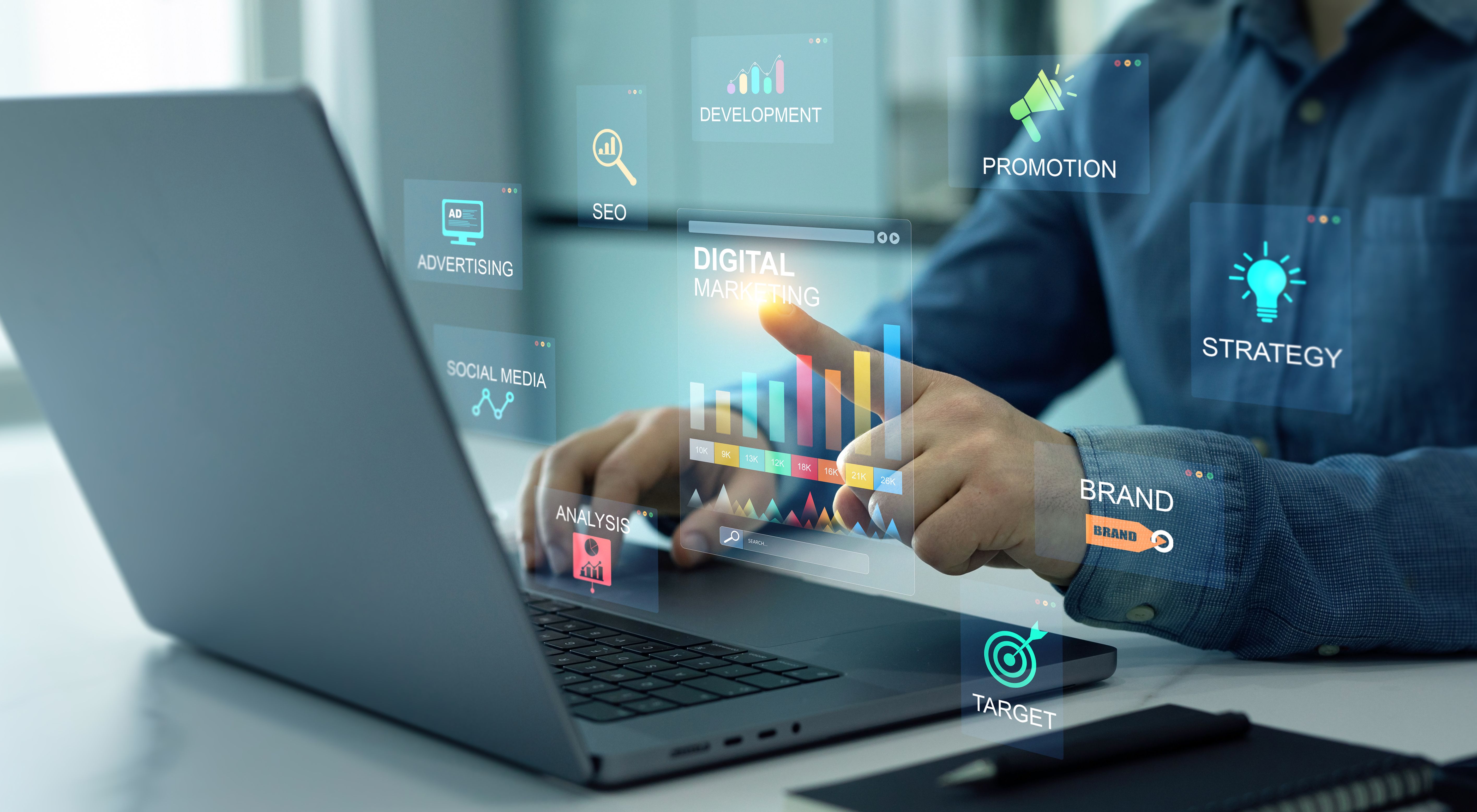
Traditional marketing encompasses a wide range of strategies, from print and broadcast media to digital advertising on centralized platforms. This approach often involves targeting broad audiences through established channels, leveraging large-scale advertising campaigns, and relying on data analytics to refine strategies.

Strengths of Traditional Marketing
Despite the rise of Web3, traditional marketing remains effective due to its ability to:
- Reach a wide audience quickly through mass media.
- Utilize established methods and metrics for measuring success.
- Build brand credibility through long-standing channels.
Comparing the Two Approaches
When comparing Web3 marketing to traditional methods, several differences stand out. Web3 offers more personalized and engaging experiences through cutting-edge technology, while traditional marketing provides broader reach and established metrics for success. The choice between the two often depends on the target audience and specific business goals.
Challenges and Considerations
While Web3 marketing presents exciting opportunities, it also comes with challenges. The technology is still evolving, and businesses must navigate regulatory uncertainties. Additionally, the audience for Web3 initiatives may be more niche compared to traditional markets, requiring a tailored approach.
How to Integrate Both Strategies
Many businesses find success by integrating both Web3 and traditional marketing strategies. By combining the innovative aspects of Web3 with the reach and reliability of traditional methods, companies can optimize their marketing efforts. This hybrid approach allows brands to engage new audiences while maintaining connections with existing customers.
Ultimately, the decision between Web3 and traditional marketing depends on a company's specific needs and objectives. By understanding the strengths and limitations of each, businesses can craft a strategy that maximizes impact and drives growth in a rapidly changing landscape.