Web3 Marketing vs. Traditional Digital Marketing: A Comprehensive Comparison


In the rapidly evolving landscape of marketing, the emergence of Web3 technologies is reshaping how businesses approach digital marketing. As companies grapple with these changes, understanding the differences between Web3 marketing and traditional digital marketing is crucial for crafting effective strategies.
Understanding Web3 Marketing
Web3 refers to the next generation of the internet, emphasizing decentralization, blockchain technology, and token-based economics. This shift aims to return control to users, enhancing privacy and security. In Web3 marketing, brands engage with audiences through decentralized platforms, often leveraging cryptocurrencies and NFTs to create unique value propositions.

Decentralization and User Empowerment
Web3 marketing prioritizes decentralization, offering users greater control over their data. Unlike traditional platforms, where data is often stored and controlled by centralized entities, Web3 allows users to own and manage their information. This fosters trust and transparency, pivotal in building stronger customer relationships.
Additionally, Web3 marketing strategies often utilize smart contracts, ensuring agreements are transparent and self-executing. This reduces reliance on intermediaries and enhances efficiency.
Traditional Digital Marketing
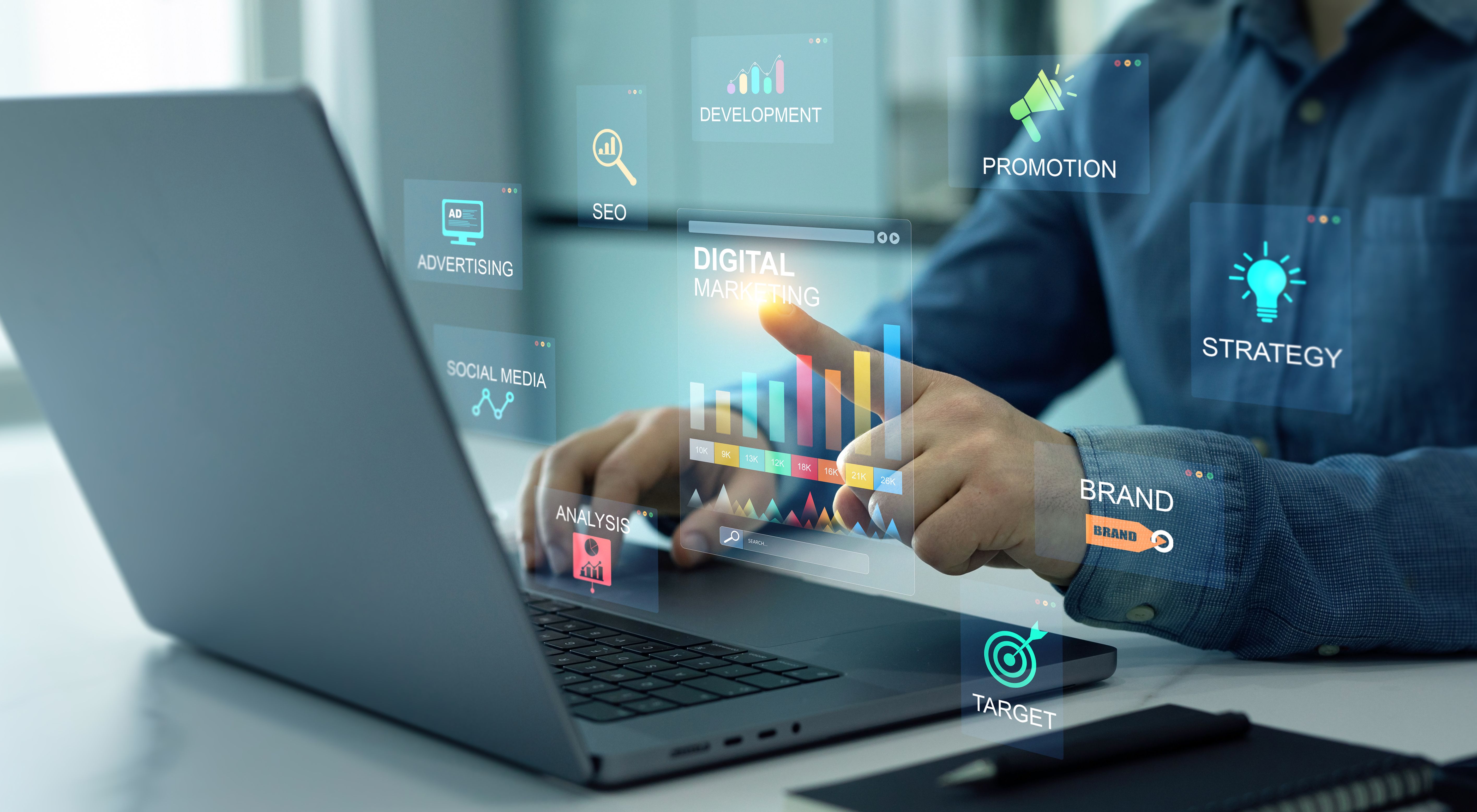
Traditional digital marketing encompasses a range of strategies, including SEO, PPC, content marketing, and social media engagement. These methods focus on leveraging established platforms to reach target audiences and drive conversions. Traditional marketing relies heavily on data analytics to inform decisions, optimizing campaigns based on user behavior and preferences.
Centralized Platforms and Data Control
In contrast to Web3, traditional digital marketing operates on centralized platforms like Google, Facebook, and Instagram. These platforms control user data, offering businesses detailed insights and targeting capabilities. However, this centralization raises concerns about privacy and data security, leading to increased scrutiny and regulatory challenges.
Despite these challenges, traditional marketing remains effective due to its well-established infrastructure and vast reach, enabling brands to connect with diverse audiences globally.
Key Differences and Considerations
The main difference between Web3 and traditional marketing lies in their approach to data and user interaction. Web3 emphasizes user autonomy and decentralization, while traditional marketing capitalizes on centralized data control and analytics.
For businesses, choosing between these approaches depends on their target audience and marketing objectives. Web3 marketing may appeal to tech-savvy consumers valuing privacy and innovation, while traditional methods offer reliability and scalability for broader audiences.

Blending Strategies for Success
Many businesses are exploring hybrid strategies, combining elements of Web3 and traditional marketing to maximize impact. By integrating blockchain technology with conventional platforms, companies can offer unique experiences while maintaining a broad reach.
Ultimately, the choice between Web3 and traditional marketing will depend on a brand's specific goals, resources, and audience preferences. As technology continues to evolve, staying informed and adaptable will be key to long-term success.