Web3 Marketing Success Stories: Lessons from Leading Brands


Understanding Web3 Marketing
The digital landscape is evolving rapidly, and Web3 is at the forefront of this transformation. As brands navigate this new era, understanding the dynamics of Web3 marketing becomes essential. Unlike traditional models, Web3 emphasizes decentralization, leveraging blockchain technology to empower users and create more engaging and transparent experiences.

Leading brands have begun to harness the potential of Web3, creating innovative campaigns that not only capture attention but also build stronger connections with their audience. These success stories offer valuable lessons for marketers looking to venture into the Web3 space.
Engagement Through NFTs
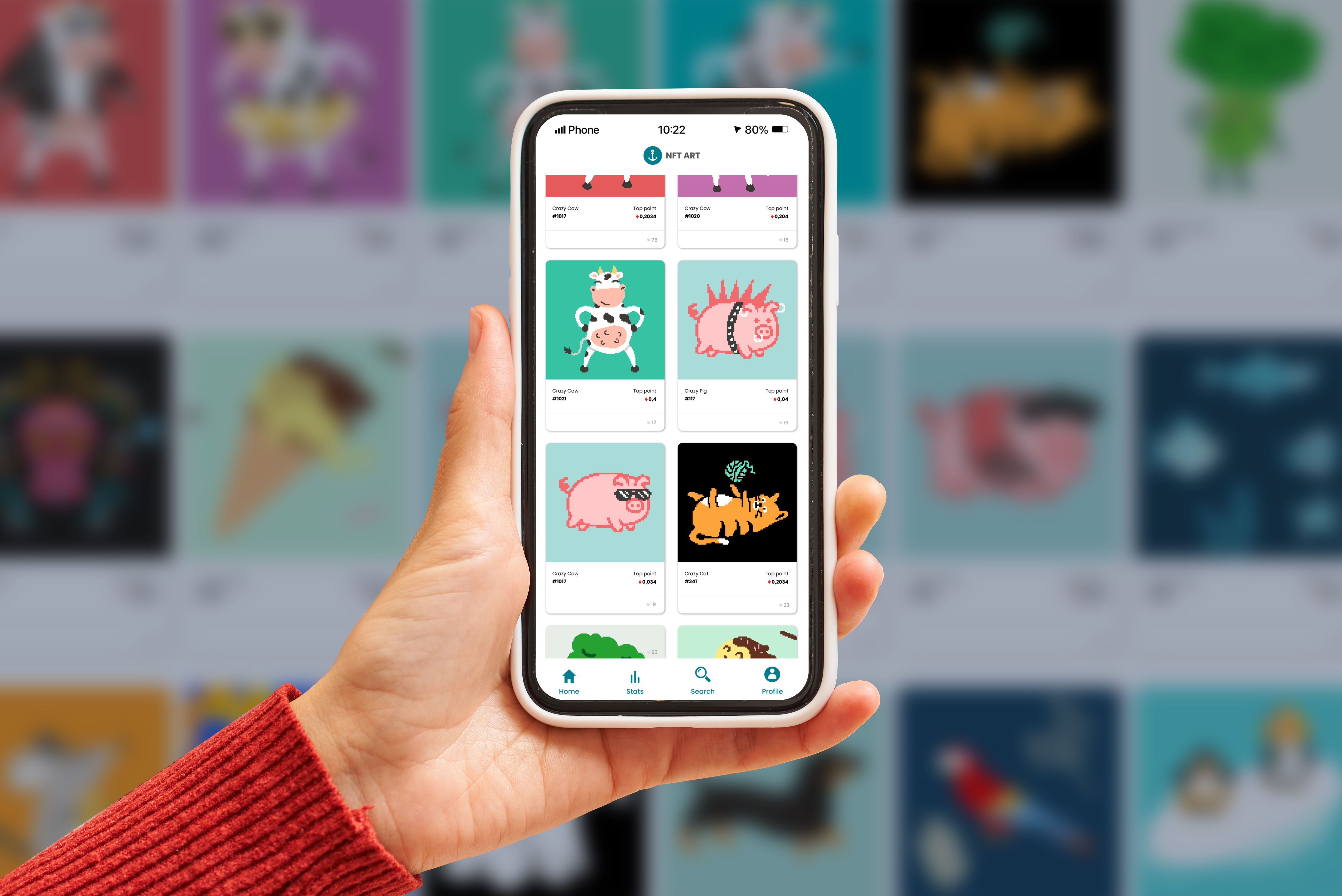
Non-Fungible Tokens (NFTs) have become a cornerstone of Web3 marketing strategies. Brands like Nike and NBA have successfully launched NFT collections, offering exclusive digital assets that resonate with their audience. By tapping into the collectibles market, these brands have created a new level of engagement and loyalty.
One key lesson from these initiatives is the importance of authenticity. Successful NFT campaigns are those that align closely with the brand's identity and values, offering genuine value to their community rather than just jumping on the trend.
Decentralized Community Building
Web3 marketing also emphasizes the power of community, with many brands using decentralized platforms to foster relationships with their audience. Platforms like Discord and Telegram have become popular for hosting brand communities, offering a space for direct interaction and feedback.
An example of successful community building is the way some brands launch decentralized autonomous organizations (DAOs). These organizations give users a stake in decision-making processes, fostering a sense of ownership and commitment. This strategy not only empowers users but also strengthens brand loyalty.

Leveraging Blockchain for Transparency
Blockchain technology offers unparalleled transparency, a feature that forward-thinking brands use to build trust. By providing verifiable data about their products and processes, brands can differentiate themselves in a crowded market.
A notable case is that of food and beverage companies using blockchain to trace product origins. This transparency not only assures consumers of quality but also reinforces the brand's commitment to ethical practices.
Interactive Experiences with Metaverse
The metaverse presents a new frontier for interactive marketing. Brands are creating virtual spaces where users can engage with products in immersive ways. For instance, fashion brands are hosting virtual fashion shows, allowing users to experience their latest collections firsthand.

This approach highlights the importance of innovation and user experience in Web3 marketing. By offering unique and engaging interactions, brands can capture the imagination of their audience and create memorable experiences.
Conclusion: Embracing the Web3 Future
As we witness the unfolding of Web3, it's clear that the brands leading the charge are those willing to experiment and embrace new technologies. The lessons from their success stories are invaluable for any marketer looking to make a mark in the digital age.
By focusing on authenticity, community, transparency, and innovation, brands can not only navigate the complexities of Web3 but also thrive in this exciting new landscape.